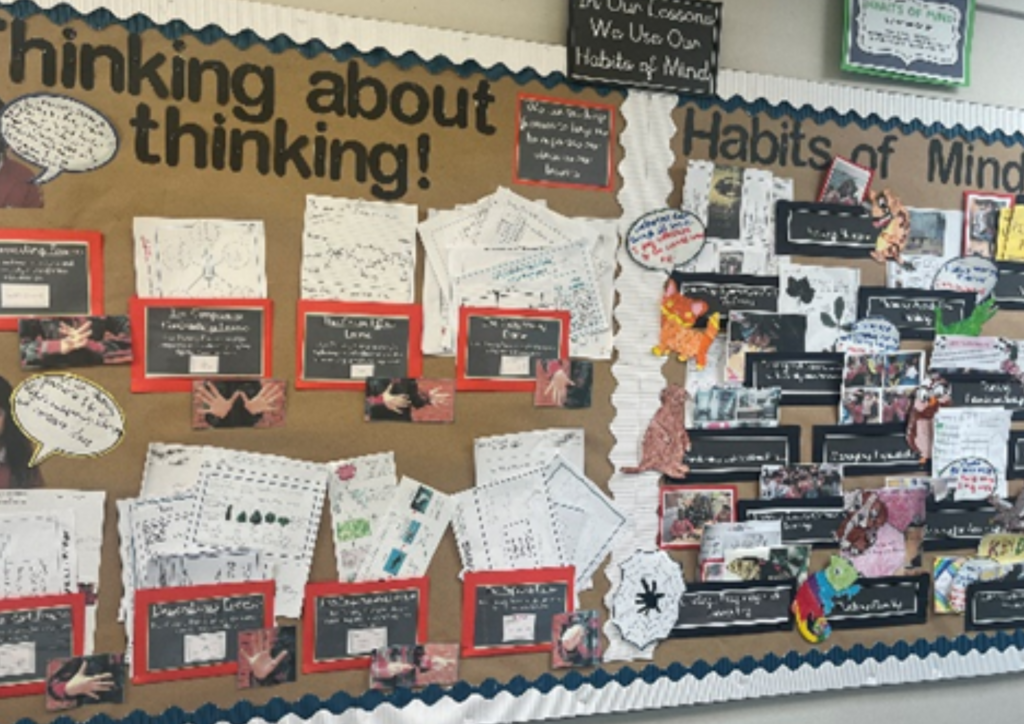
Visiting Thinking Schools
Introduction The recent Festival of Metacognition in London provided attendees with lots of information, stimulation and inspiration, but an enthusiastic group of 30 attendees wanted even more, and
Introduction The recent Festival of Metacognition in London provided attendees with lots of information, stimulation and inspiration, but an enthusiastic group of 30 attendees wanted even more, and
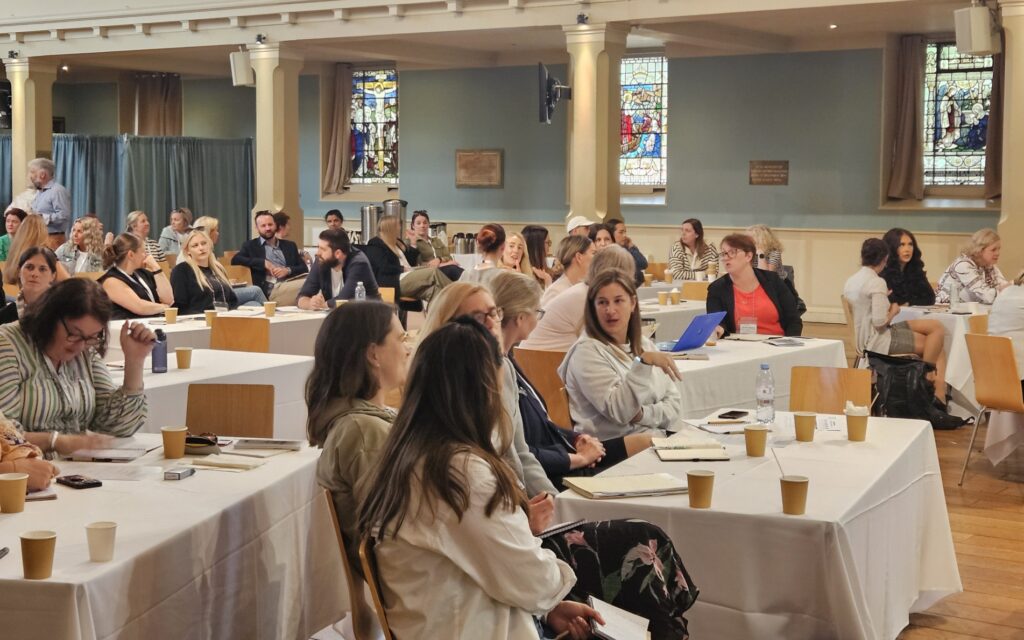
Throughout the day, experts from various fields shared their insights, strategies, and research, helping educators and learners alike to harness the power of thinking about thinking. It was
The EEF guidance report’s evidence acknowledges the impact upon learners as they acquire Metacognition and Self-Regulation strategies to be a potential 7 months additional progress. Therefore, having set
One of our guiding principles at Thinking Matters is the value to be fully ‘inclusive’. A Thinking School supports and includes everyone. We hold the underlying belief that
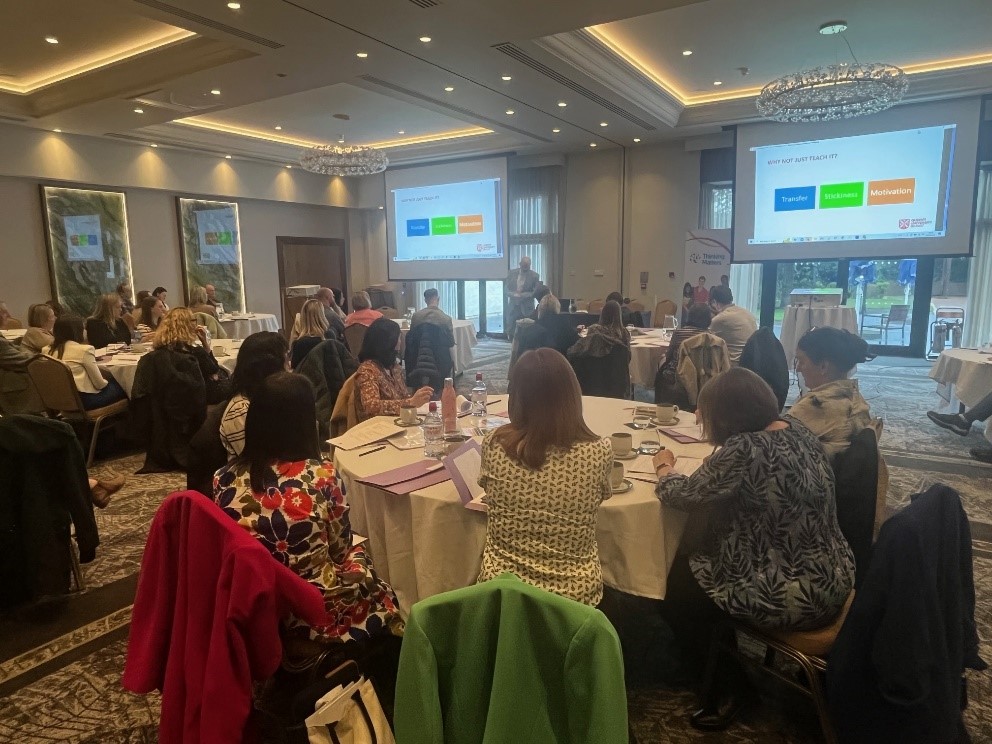
Following a welcome by Alisdair Wade, Thinking Matters’ CEO, the keynote address was presented by Professor Daniel Muijs, Head of the School of Social Sciences, Education and Social

Following the theme of exercise and movement, thank you to Arabella Chute, the Thinking School Co-ordinator at Notting Hill Prep who recently undertook an innovative research project and

Self-Regulated Learning: First up is a comprehensive summary of the research from our own Lorna Gardiner around Self Regulated Learning – what it actually is, how it is developed and how

Why is fostering Intrinsic Motivation key for a Thinking School? 2024… another year of opportunity! For many, the New Year heralds a chance to take stock and think
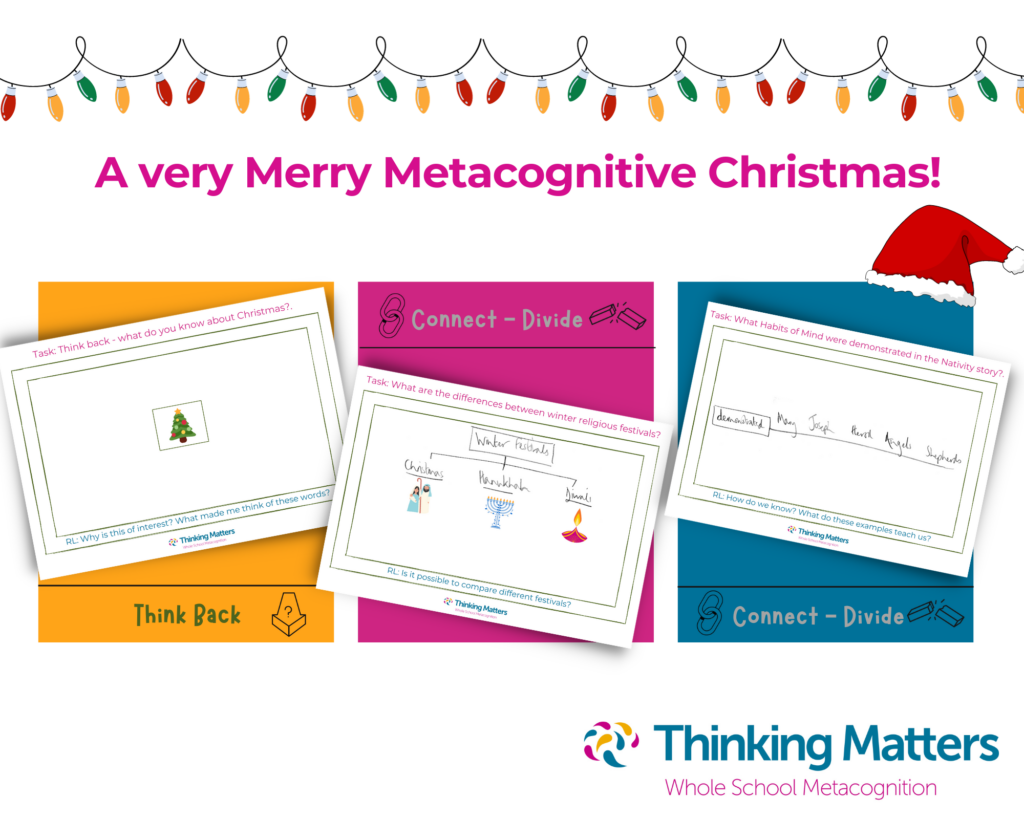
It was great fun to meet with our TM consultants and consider how many ways they could use the Thinking Frames and Thinking Moves to help organise thinking and ideas connected to Christmas. Enjoy the suggestions below and please do share examples from your students with us.

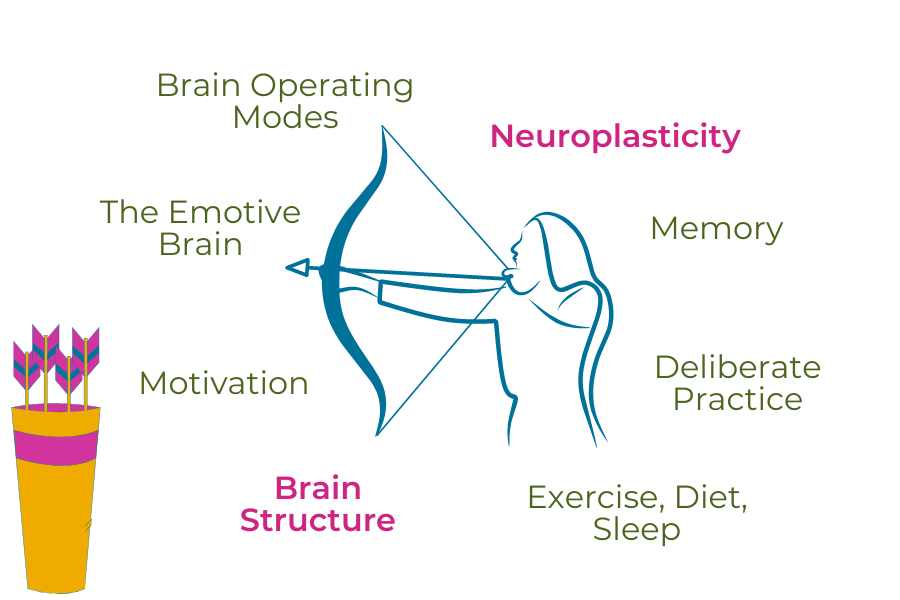
What do you know about the Science of Learning? As you introduce a new concept, do you help learners picture what is going on in their brain? Do your students regularly talk about schema and long-term memory? The science of learning, often referred to as educational psychology or the psychology of learning, is a field of study that focuses on understanding how humans acquire, process, and retain knowledge and skills. Its main focus is getting us to understand and tap into the incredible resources our brain offers!
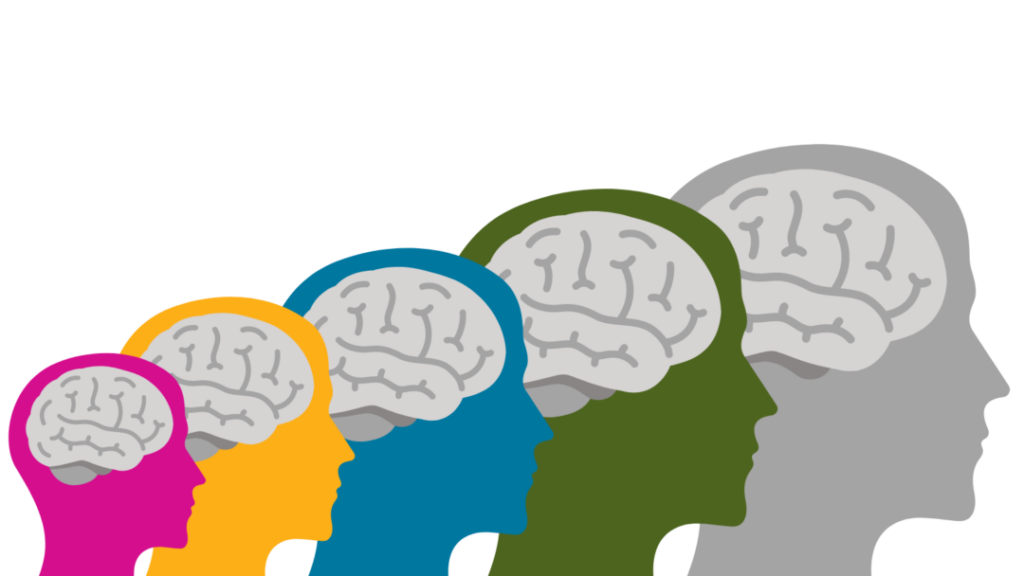
What do you know about the Science of Learning? As you introduce a new concept, do you help learners picture what is going on in their brain? Do your students regularly talk about schema and long-term memory? The science of learning, often referred to as educational psychology or the psychology of learning, is a field of study that focuses on understanding how humans acquire, process, and retain knowledge and skills. Its main focus is getting us to understand and tap into the incredible resources our brain offers!

This month’s blog is by Arabella Chute: The world is changing in many ways, and the educational system is finding ways to evolve alongside society with varying degrees of success. Many schools are thinking hard, not just what they teach, but increasingly how they teach. The growing understanding is that today’s children must master more than subject-area knowledge to thrive in tomorrow’s world, and being a Thinking School is taking part in this progression. That is why cultivating the ‘habits of mind’ through the power of storytelling is an essential teaching aid.